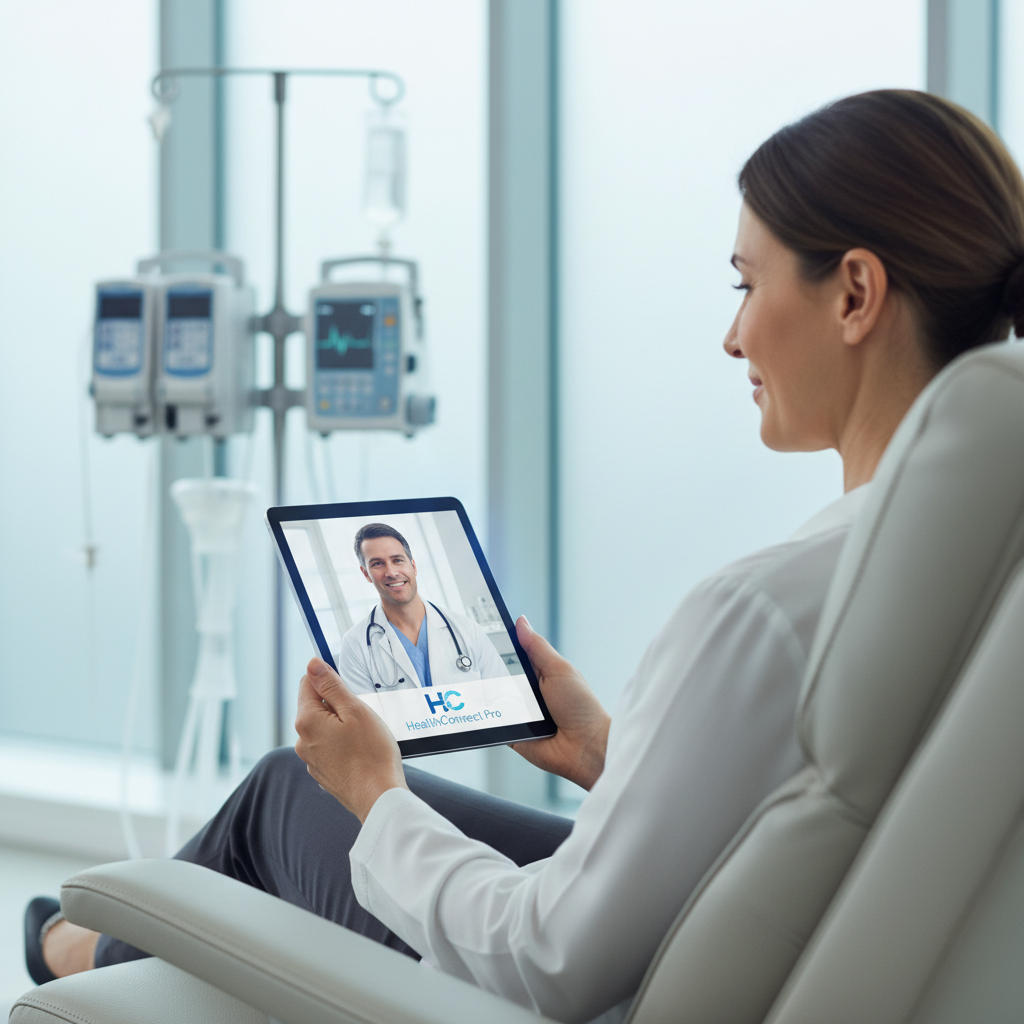
Telehealth vs In-Person: Navigating Modern Care
What Does Research Show About Telehealth and In-Person Visits?
Telehealth, accelerated by the COVID-19 pandemic, has become integral to healthcare delivery, offering enhanced access and convenience. However, its effectiveness varies based on patient demographics and conditions, suggesting a hybrid care model could be ideal.
Telehealth utilization surged by 4,347% in April 2020 compared to pre-pandemic levels.
80% of patients reported satisfaction with their telehealth experience.
Mental health services dominate telehealth visits, accounting for over 60% of claims in 2022.
Telehealth visits can be 20-30% less expensive for common conditions than in-person visits.
Telehealth has increased specialist access for 79% of rural patients.
70% of consumers prefer a hybrid model of care post-pandemic.
How Does Telehealth Compare to In-Person Care for Common Conditions?
Telehealth has demonstrated clinical outcomes comparable to in-person care for chronic disease management and certain acute conditions, according to the Agency for Healthcare Research and Quality (2022). However, it may not fully replace the need for physical exams in complex diagnostic scenarios.
What Are the Current Trends in Telehealth?
Healthcare systems are increasingly integrating hybrid care models, emphasizing health equity and expanding telehealth into specialties like cardiology and dermatology. Regulatory efforts focus on reimbursement parity and interstate licensing to enhance access.
What Are the Benefits and Challenges of Telehealth?
BenefitsChallengesImproved access and convenience, especially for rural populationsDigital divide limits access for some populationsReduced no-show rates and costsPotential for reduced personal interaction in careComparable outcomes for many conditionsLimitations for conditions requiring physical exams
Telehealth platforms like DirectCare AI provide a seamless process for patients, offering services such as Remote Patient Monitoring and GLP-1 weight loss programs, supported by AI-powered patient engagement and intelligent scheduling.
What Are Common Patient Concerns About Telehealth?
Patients often worry about the lack of physical exams, technology barriers, privacy, and insurance coverage. Addressing these concerns through clear communication and support can enhance telehealth adoption.
How Is DirectCare AI Enhancing Telehealth Delivery?
DirectCare AI, serving all 50 states, ensures a smooth telehealth experience with a 4.8/5 star satisfaction rating. Their simple 3-step process includes completing a medical history, a physician video consult, and medication delivery, ensuring comprehensive care.
Take Control of Your Health Today
Join thousands of patients who trust DirectCare AI for their telehealth needs
