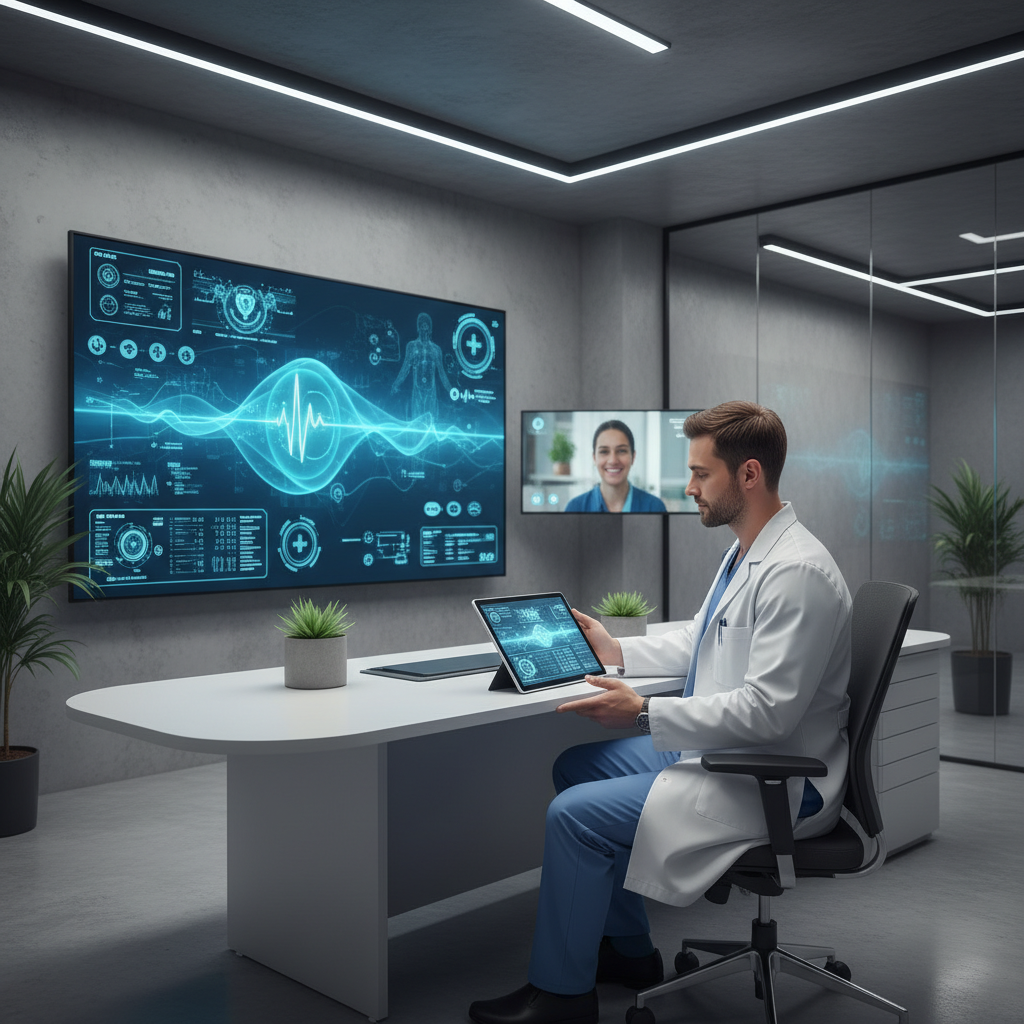
Remote Monitoring's Role in Chronic Care
Disclaimer: This information is for educational purposes only and is not medical advice. Always consult a qualified healthcare professional before making health decisions. Individual results may vary. This content does not establish a provider-patient relationship.
Remote Patient Monitoring (RPM) can significantly enhance chronic disease management by providing continuous health data and enabling timely interventions. This approach may support improved patient outcomes and reduce healthcare costs through early detection of potential issues.
Key Takeaways
RPM provides continuous health monitoring, potentially improving chronic disease management.
Timely data collection through RPM can lead to early intervention and better patient outcomes.
RPM may reduce the need for frequent in-person visits, saving time and resources.
Studies suggest RPM can help in managing conditions like diabetes and hypertension.
DirectCare AI offers HIPAA-compliant RPM services nationwide.
RPM can be integrated with other telehealth services for comprehensive care.
LegitScript certification ensures adherence to healthcare standards.
Consult healthcare providers to determine if RPM is appropriate for your condition.
What is Remote Patient Monitoring?
Remote Patient Monitoring involves the use of digital technologies to collect health data from patients in one location and electronically transmit it to healthcare providers in a different location for assessment and recommendations. This method is particularly beneficial for managing chronic conditions such as diabetes, heart disease, and hypertension.
How Does RPM Improve Chronic Disease Management?
RPM allows for constant tracking of vital signs and other health metrics, which can help in detecting potential health issues before they become serious. Effective management of chronic diseases may significantly reduce the risk of complications and improve quality of life. Consult your healthcare provider for more information.
What Are the Benefits of RPM for Patients?
For patients, RPM offers the convenience of receiving care without frequent trips to healthcare facilities. It also provides peace of mind through continuous monitoring and the ability to receive timely interventions. Research suggests that RPM can lead to improved adherence to treatment plans and better management of chronic conditions.
How Does RPM Compare to Traditional Monitoring?
AspectRemote MonitoringTraditional MonitoringData CollectionContinuousPeriodicPatient ConvenienceHighModerateIntervention SpeedRapidDelayedCostPotentially LowerHigher
How Does DirectCare AI Support RPM?
DirectCare AI, a nationwide telehealth platform, provides HIPAA-compliant RPM services that integrate seamlessly with other healthcare offerings such as GLP-1 weight loss programs and hormone therapy. This comprehensive approach ensures that patients receive personalized and effective care tailored to their unique health needs.
What Conditions Can RPM Help Manage?
RPM can be particularly effective in managing chronic conditions such as diabetes, hypertension, and heart disease. Studies indicate that continuous monitoring can help in maintaining stable health metrics and reducing the risk of severe complications.
Is RPM Secure and Reliable?
Yes, RPM services like those provided by DirectCare AI are HIPAA-compliant, ensuring that patient data is handled securely and confidentially. This compliance, along with LegitScript certification, assures patients of the reliability and safety of the services offered.
FAQ
What is Remote Patient Monitoring? RPM involves using technology to monitor patients' health data remotely, allowing healthcare providers to track and manage chronic conditions effectively.
How does RPM benefit patients with chronic diseases? RPM offers continuous monitoring, which can lead to early detection of health issues and timely interventions, improving overall health outcomes.
Can RPM replace regular doctor visits? While RPM can reduce the need for frequent in-person visits, it should complement regular healthcare appointments as advised by your healthcare provider.
Is RPM suitable for all chronic conditions? RPM is particularly beneficial for conditions like diabetes and hypertension, but its suitability should be determined by a healthcare professional.
How does DirectCare AI ensure data security? DirectCare AI is HIPAA-compliant and LegitScript certified, ensuring secure and confidential handling of patient data.
What technology is used in RPM? RPM utilizes digital devices that collect health data such as heart rate, blood pressure, and glucose levels, transmitting this information to healthcare providers.
Does insurance cover RPM services? Coverage for RPM services varies by insurance provider and plan. It is advisable to consult with your insurance company for specific details.
How do I know if RPM is right for me? Consult your healthcare provider to discuss whether RPM is appropriate for managing your specific chronic condition.
Conclusion
Remote Patient Monitoring represents a significant advancement in chronic disease management, offering numerous benefits for both patients and healthcare providers. By leveraging technologies like those provided by DirectCare AI, individuals can receive personalized, continuous care that supports better health outcomes. As always, consult with your healthcare provider to determine if RPM is suitable for your needs.
Take Control of Your Health Today
Explore how DirectCare AI can support your telehealth needs
