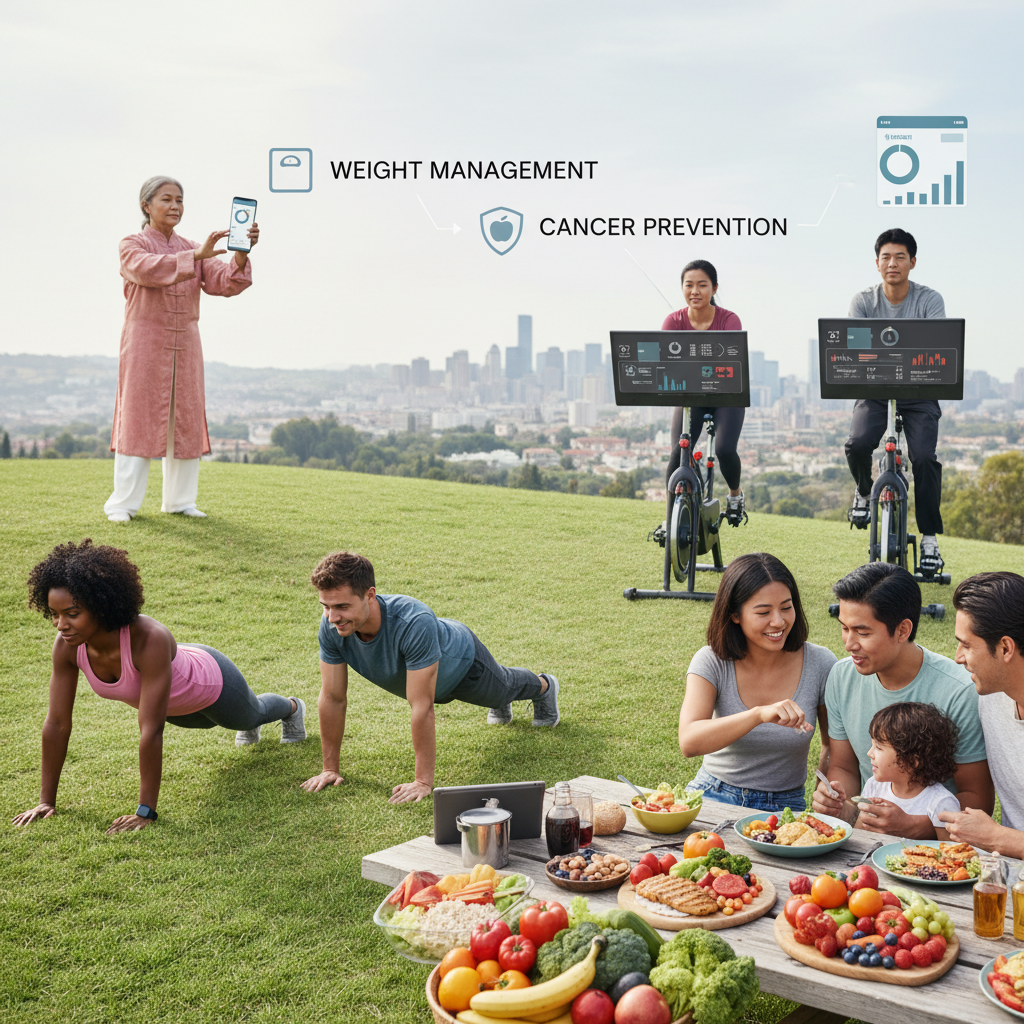
Can Weight Loss Drugs Prevent Cancer?
If you're asking whether weight loss drugs can help prevent cancer, here's what you need to know. Understanding the relationship between weight management and cancer prevention is crucial for making informed health decisions. With obesity being a known risk factor for several types of cancer, exploring how weight loss drugs might mitigate this risk is a logical step. While these medications primarily aim to assist in weight loss, their potential role in cancer prevention is an emerging area of research.
Medical Disclaimer
This guide is for informational purposes only and should not replace professional medical advice. Always consult with a healthcare provider before starting any new medication or treatment plan.
Direct Answer
If you're asking whether weight loss drugs can help prevent cancer, here's what you need to know. Weight loss drugs, particularly those that target obesity, may indirectly reduce the risk of cancer by helping you lose excess weight. Obesity is a significant risk factor for various cancers, including breast, colorectal, and pancreatic cancer. Studies have shown that intentional weight loss of 5% or more can lead to a 12% reduction in overall cancer risk, particularly for obesity-related cancers. While weight loss drugs are not specifically designed to prevent cancer, their role in reducing obesity can contribute to lowering cancer risk.
Table of Contents
Key Takeaways
Weight loss drugs may indirectly reduce cancer risk by addressing obesity.
Intentional weight loss of 5% or more is linked to a 12% reduction in cancer risk.
Bariatric surgery shows a 30-50% reduction in overall cancer incidence and mortality.
GLP-1 receptor agonists reduce obesity-related cancer incidence by 16%.
Common side effects like nausea and financial barriers limit drug use.
Weight regain is common after stopping weight loss medications.
DirectCare.ai offers online support to manage weight and health concerns.
Consult a healthcare provider to tailor a weight management plan to your needs.
What Are Weight Loss Drugs?
Weight loss drugs are medications designed to help you lose weight by reducing appetite, increasing feelings of fullness, or decreasing the absorption of fat. These drugs are often prescribed when lifestyle changes like diet and exercise alone have not been effective. There are various types of weight loss medications, each working through different mechanisms.
For example, some drugs act on the central nervous system to suppress appetite, while others alter the digestive system to reduce calorie absorption. It's important to understand that these medications are typically part of a broader weight management plan that includes dietary changes and physical activity.
Real-world scenarios highlight the importance of these drugs. Consider someone who has struggled with obesity for years despite trying different diets and exercise routines. A healthcare provider might prescribe a weight loss medication to help jumpstart their weight loss journey, potentially reducing their risk of obesity-related conditions, including cancer.
How Do Weight Loss Drugs Work?
Weight loss drugs work through various mechanisms to help you shed pounds. Some medications reduce appetite by acting on the brain's hunger centers, making you feel full sooner and eat less. Others, like orlistat, work in the digestive tract to prevent the absorption of about one-third of the fat you eat. This means your body takes in fewer calories, leading to weight loss over time.
Another class of drugs, GLP-1 receptor agonists, mimic a hormone that targets areas of the brain involved in appetite regulation. These drugs not only help with weight loss but have also been linked to a 16% reduction in obesity-related cancer incidence. However, it's essential to note that these drugs are often used alongside lifestyle changes for maximum effectiveness.
Imagine a scenario where you've been prescribed a GLP-1 receptor agonist. Initially, you might experience side effects like nausea, but over time, as your body adjusts, you notice significant weight loss. This weight reduction could be a crucial factor in lowering your risk for certain types of cancer.
What Are the Benefits?
Weight loss drugs offer several benefits, especially when it comes to reducing the risk of obesity-related diseases. By helping you lose weight, these medications can lower your risk of developing type 2 diabetes, heart disease, and certain types of cancer. Intentional weight loss of 5% or more is associated with a 12% reduction in overall cancer risk.
Bariatric surgery, a more invasive weight loss method, has demonstrated even more significant benefits. It has been associated with a 30-50% reduction in overall cancer incidence and mortality, providing strong evidence for the link between weight loss and cancer prevention.
Consider a person who undergoes bariatric surgery. Post-surgery, they experience substantial weight loss, leading to improved metabolic health and a reduced risk of developing cancer. This real-world example illustrates the profound impact weight loss can have on cancer prevention.
What Are the Limitations?
Despite their benefits, weight loss drugs have limitations. They are not a magic bullet for weight loss and cancer prevention. Common side effects, such as nausea, vomiting, diarrhea, and constipation, affect 30-50% of users and can lead to treatment discontinuation. Additionally, the average monthly out-of-pocket cost for GLP-1 receptor agonists can exceed $1,000 without insurance, creating a financial barrier for many patients.
Another limitation is the potential for weight regain after stopping the medication. Studies show that patients typically regain two-thirds of their lost weight within a year after discontinuing GLP-1 agonists. This highlights the importance of integrating lifestyle changes alongside medication use.
Real-world examples underscore these limitations. Suppose you start a weight loss medication but experience severe side effects, leading you to stop the treatment. Without continued lifestyle modifications, you might regain the weight, reversing any potential cancer risk reduction.
Can I Get Help Online? How DirectCare.ai Can Help
Introduction
In today's digital age, accessing healthcare support online has become increasingly common. DirectCare.ai is a platform that leverages artificial intelligence to provide personalized healthcare solutions, including weight management and cancer prevention strategies. By using AI, DirectCare.ai aims to make healthcare more accessible and tailored to your individual needs.
What Is DirectCare.ai?
DirectCare.ai is an innovative healthcare platform that uses artificial intelligence to offer a range of services designed to improve your health and well-being. Whether you're looking to manage chronic conditions, lose weight, or address specific health concerns, DirectCare.ai provides personalized plans based on your unique health profile.
The platform combines data from various sources, including your medical history, lifestyle choices, and genetic information, to create a comprehensive health plan. This personalized approach ensures that you receive the most effective recommendations for achieving your health goals.
How DirectCare.ai Uses AI
Artificial intelligence is at the core of DirectCare.ai's services. By analyzing vast amounts of data, AI algorithms identify patterns and make predictions about your health outcomes. This allows for more accurate and personalized healthcare recommendations.
For example, if you're using DirectCare.ai for weight management, the platform might analyze your dietary habits, physical activity levels, and genetic predispositions to suggest the most effective weight loss strategies. This data-driven approach ensures that your health plan is tailored to your specific needs, increasing the likelihood of success.
10-Step Patient Journey
DirectCare.ai offers a structured 10-step journey to guide you through your healthcare experience:
Initial Assessment: Complete a comprehensive health questionnaire.
Data Collection: Upload medical records and lifestyle information.
AI Analysis: The platform analyzes your data to identify health risks and opportunities.
Personalized Plan: Receive a customized health plan tailored to your needs.
Progress Monitoring: Track your progress through regular check-ins.
Feedback Loop: Provide feedback to adjust your plan as needed.
Support Network: Access a community of healthcare professionals and peers.
Goal Setting: Set realistic health goals with guidance from AI insights.
Outcome Evaluation: Review your progress and adjust your plan accordingly.
Long-term Maintenance: Establish sustainable habits for ongoing health improvement.
Services of DirectCare.ai
What Can I Do Right Now?
Taking proactive steps towards weight management and cancer prevention can significantly impact your health. Here are some actionable steps you can take right now:
Consult a Healthcare Provider: Discuss your weight management goals and cancer risk with a healthcare professional. They can help determine if weight loss drugs are appropriate for you.
Adopt a Healthy Diet: Focus on a balanced diet rich in fruits, vegetables, lean proteins, and whole grains. Reducing calorie intake can aid in weight loss and cancer prevention.
Increase Physical Activity: Aim for at least 150 minutes of moderate-intensity exercise per week. Physical activity not only aids in weight loss but also reduces cancer risk.
Consider Online Support: Platforms like DirectCare.ai offer personalized health plans and support to help you manage your weight and reduce cancer risk.
Monitor Your Progress: Keep track of your weight loss journey by regularly weighing yourself and recording your progress. This can help keep you motivated and on track.
Stay Informed: Stay updated on the latest research and recommendations regarding weight loss and cancer prevention. Knowledge is power in making informed health decisions.
Build a Support Network: Surround yourself with supportive friends, family, or support groups who can encourage you on your health journey.
Set Realistic Goals: Set achievable weight loss goals and celebrate small victories along the way. This can help maintain motivation and prevent burnout.
Address Emotional Eating: Recognize and address emotional eating triggers. Consider seeking support from a therapist or counselor if needed.
Prioritize Sleep: Ensure you get adequate sleep each night, as poor sleep can hinder weight loss efforts and impact overall health.
FAQ
Can weight loss drugs directly prevent cancer?
Weight loss drugs do not directly prevent cancer, but by helping you lose weight, they can reduce your risk of obesity-related cancers.
Are weight loss drugs safe for everyone?
Weight loss drugs are not suitable for everyone. They are typically prescribed for individuals with a BMI of 30 or higher or those with a BMI of 27 or higher with obesity-related health conditions.
What are GLP-1 receptor agonists?
GLP-1 receptor agonists are a class of medications that help with weight loss by mimicking a hormone that regulates appetite. They have also been linked to a reduction in obesity-related cancer incidence.
Why do people regain weight after stopping weight loss drugs?
Weight regain often occurs because the underlying lifestyle and dietary habits have not changed. It's crucial to maintain healthy habits even after stopping medication.
What are the common side effects of weight loss drugs?
Common side effects include nausea, vomiting, diarrhea, and constipation. These can vary depending on the specific medication used.
How can bariatric surgery affect cancer risk?
Bariatric surgery can lead to significant weight loss, which has been associated with a 30-50% reduction in overall cancer incidence and mortality.
Is it expensive to use weight loss drugs?
Weight loss drugs can be expensive, with some medications costing over $1,000 per month without insurance. It's important to consider financial implications when exploring this option.
How does DirectCare.ai personalize healthcare plans?
DirectCare.ai uses AI to analyze your health data and create personalized recommendations tailored to your unique needs and goals.
Can online platforms help with weight management?
Yes, online platforms like DirectCare.ai offer personalized support and resources to help you manage your weight and reduce cancer risk.
What lifestyle changes can aid in cancer prevention?
Adopting a healthy diet, increasing physical activity, maintaining a healthy weight, and avoiding tobacco and excessive alcohol can aid in cancer prevention.
What should I discuss with my doctor about weight loss drugs?
Discuss your weight loss goals, potential side effects, costs, and how the medication fits into your overall health plan with your healthcare provider.
Are there any long-term risks associated with weight loss drugs?
Long-term safety data for some weight loss drugs, particularly regarding rare cancer risks, is still evolving. Consult your healthcare provider for the most current information.
Can supplements aid in weight loss and cancer prevention?
While some supplements may support weight loss, they should not replace a balanced diet and healthy lifestyle. Always consult a healthcare provider before starting any supplement regimen.
How can I find a support group for weight management?
Look for local or online support groups dedicated to weight management. These groups can provide encouragement and practical tips for your weight loss journey.
What role does genetics play in weight loss and cancer risk?
Genetics can influence your predisposition to obesity and certain cancers. However, lifestyle changes can significantly impact your overall risk.
Can children use weight loss drugs?
Weight loss drugs are generally not recommended for children unless prescribed by a healthcare provider for specific medical reasons.
What are the signs of success with weight loss drugs?
Signs of success include consistent weight loss, improved metabolic health, and a reduction in obesity-related health risks.
How can I track my weight loss progress effectively?
Track your progress by regularly weighing yourself, recording measurements, and noting changes in how your clothes fit. Use apps or journals to monitor your journey.
What should I do if I experience severe side effects from weight loss drugs?
If you experience severe side effects, contact your healthcare provider immediately. They can adjust your treatment plan to better suit your needs.
What other strategies can complement weight loss drugs for cancer prevention?
In addition to weight loss drugs, maintaining a healthy diet, exercising regularly, and avoiding tobacco and excessive alcohol can further reduce cancer risk.
Get Started with DirectCare AI
Ready to elevate your telehealth services? DirectCare AI provides comprehensive remote patient monitoring, chronic care management, and specialized programs across all 50 states.
